Structured data
{
  "@context": "https://schema.org",
  "@graph": [
    {
      "@type": "Person",
      "@id": "https://davenporter.com/#jason-davenport",
      "name": "Jason Davenport",
      "alternateName": "@davenportjw",
      "jobTitle": "AI & Distributed Systems Architect",
      "description": "Exploring agent-first source control (cosm), trajectory-to-lineage observability, Spanner-backed agent memory consolidation (Electric Sheep), hybrid local/cloud LLM routing, and real-time multiplayer browser simulations on Google Cloud Run.",
      "url": "https://davenporter.com",
      "sameAs": [
        "https://davenporter.substack.com",
        "https://www.linkedin.com/in/davenportjw",
        "https://github.com/davenportjw",
        "https://x.com/davenportjw"
      ]
    },
    {
      "@type": "WebSite",
      "@id": "https://davenporter.com/#website",
      "url": "https://davenporter.com",
      "name": "The Davenporter",
      "description": "Learnings about software, technology, agentic systems, and occasionally home renovation.",
      "publisher": {
        "@id": "https://davenporter.com/#jason-davenport"
      },
      "inLanguage": "en-US"
    },
    {
      "@type": "ImageObject",
      "@id": "https://davenporter.com/writings/what-im-building-this-week-route#primaryimage",
      "url": "https://davenporter.com/og/what-im-building-this-week-route.png",
      "contentUrl": "https://davenporter.com/og/what-im-building-this-week-route.png",
      "width": 1200,
      "height": 630,
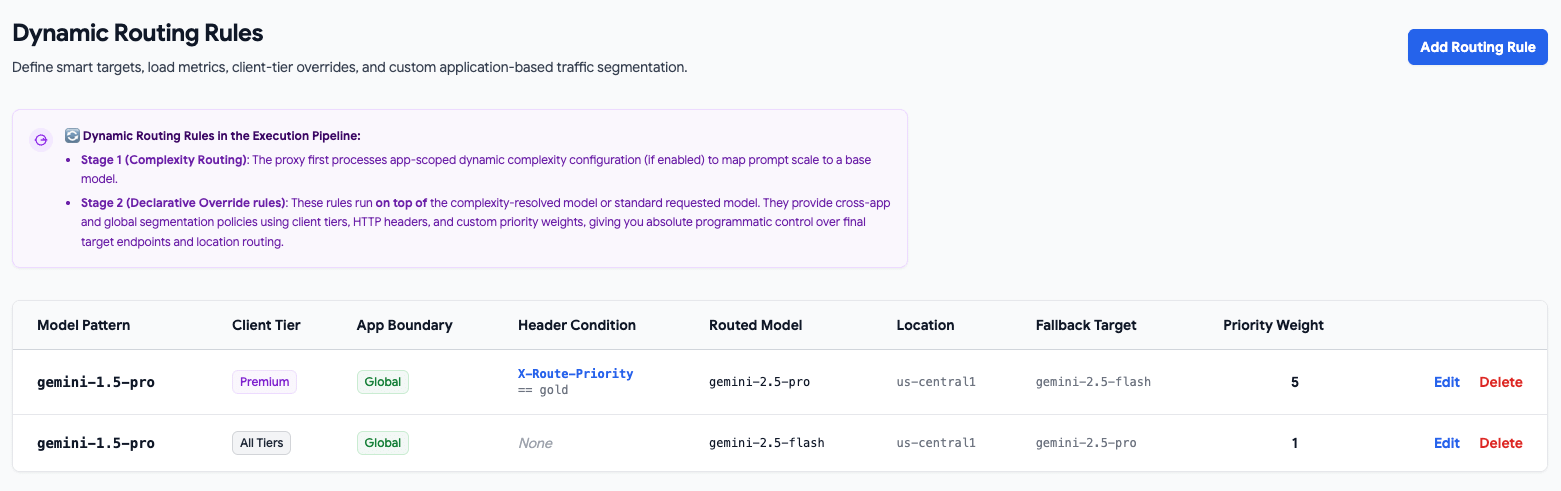
      "caption": "Title card for What I'm building this week: Route your Gemini API calls on your terms",
      "representativeOfPage": true,
      "creator": {
        "@id": "https://davenporter.com/#jason-davenport"
      },
      "license": "https://creativecommons.org/licenses/by/4.0/",
      "acquireLicensePage": "https://davenporter.com/writings"
    },
    {
      "@type": "WebPage",
      "@id": "https://davenporter.com/writings/what-im-building-this-week-route#webpage",
      "url": "https://davenporter.substack.com/p/what-im-building-this-week-route",
      "name": "What I'm building this week: Route your Gemini API calls on your terms | The Davenporter",
      "description": "A little router I'm building and improving to use different Gemini (and soon other) models. A question I\u2019ve received a few times recently is how companies can route Gemini API calls based on their own rules and specs. This usually includes a few things.",
      "isPartOf": {
        "@id": "https://davenporter.com/#website"
      },
      "about": {
        "@id": "https://davenporter.com/#jason-davenport"
      },
      "primaryImageOfPage": {
        "@id": "https://davenporter.com/writings/what-im-building-this-week-route#primaryimage"
      },
      "inLanguage": "en-US"
    },
    {
      "@type": "FAQPage",
      "@id": "https://davenporter.com/writings/what-im-building-this-week-route#faq",
      "mainEntity": [
        {
          "@type": "Question",
          "name": "What is \u201cWhat I'm building this week: Route your Gemini API calls on your terms\u201d about?",
          "acceptedAnswer": {
            "@type": "Answer",
            "text": "A little router I'm building and improving to use different Gemini (and soon other) models. A question I\u2019ve received a few times recently is how companies can route Gemini API calls based on their own rules and specs. This usually includes a few things."
          }
        }
      ]
    },
    {
      "@type": "BlogPosting",
      "@id": "https://davenporter.com/writings/what-im-building-this-week-route#article",
      "mainEntityOfPage": {
        "@id": "https://davenporter.com/writings/what-im-building-this-week-route#webpage",
        "url": "https://davenporter.substack.com/p/what-im-building-this-week-route"
      },
      "headline": "What I'm building this week: Route your Gemini API calls on your terms",
      "alternativeHeadline": "A little router I'm building and improving to use different Gemini (and soon other) models.",
      "description": "A little router I'm building and improving to use different Gemini (and soon other) models. A question I\u2019ve received a few times recently is how companies can route Gemini API calls based on their own rules and specs. This usually includes a few things.",
      "datePublished": "2026-05-28T16:02:33Z",
      "dateModified": "2026-05-28T16:02:33Z",
      "wordCount": 577,
      "keywords": "WIBTM, Source Control, Model Routing",
      "author": {
        "@id": "https://davenporter.com/#jason-davenport"
      },
      "publisher": {
        "@id": "https://davenporter.com/#jason-davenport"
      },
      "image": {
        "@id": "https://davenporter.com/writings/what-im-building-this-week-route#primaryimage"
      },
      "url": "https://davenporter.substack.com/p/what-im-building-this-week-route"
    },
    {
      "@type": "BreadcrumbList",
      "@id": "https://davenporter.com/writings/what-im-building-this-week-route#breadcrumb",
      "itemListElement": [
        {
          "@type": "ListItem",
          "position": 1,
          "name": "Home",
          "item": "https://davenporter.com/"
        },
        {
          "@type": "ListItem",
          "position": 2,
          "name": "Essays",
          "item": "https://davenporter.com/writings"
        },
        {
          "@type": "ListItem",
          "position": 3,
          "name": "What I'm building this week: Route your Gemini API calls on your terms",
          "item": "https://davenporter.com/writings/what-im-building-this-week-route"
        }
      ]
    }
  ]
}